Pull up Platt Park on three different real estate sites this month and you will get three different median prices for the same eight blocks. One shows a number near $800,000, down by double digits year over year. Another shows something closer to $965,000, still climbing. A third, measuring over the trailing twelve months, lands above $1 million. None of these numbers is wrong. They are measuring different things, because Platt Park does not have one housing market. It has two, sitting on the same streets, and this year they are moving in opposite directions.
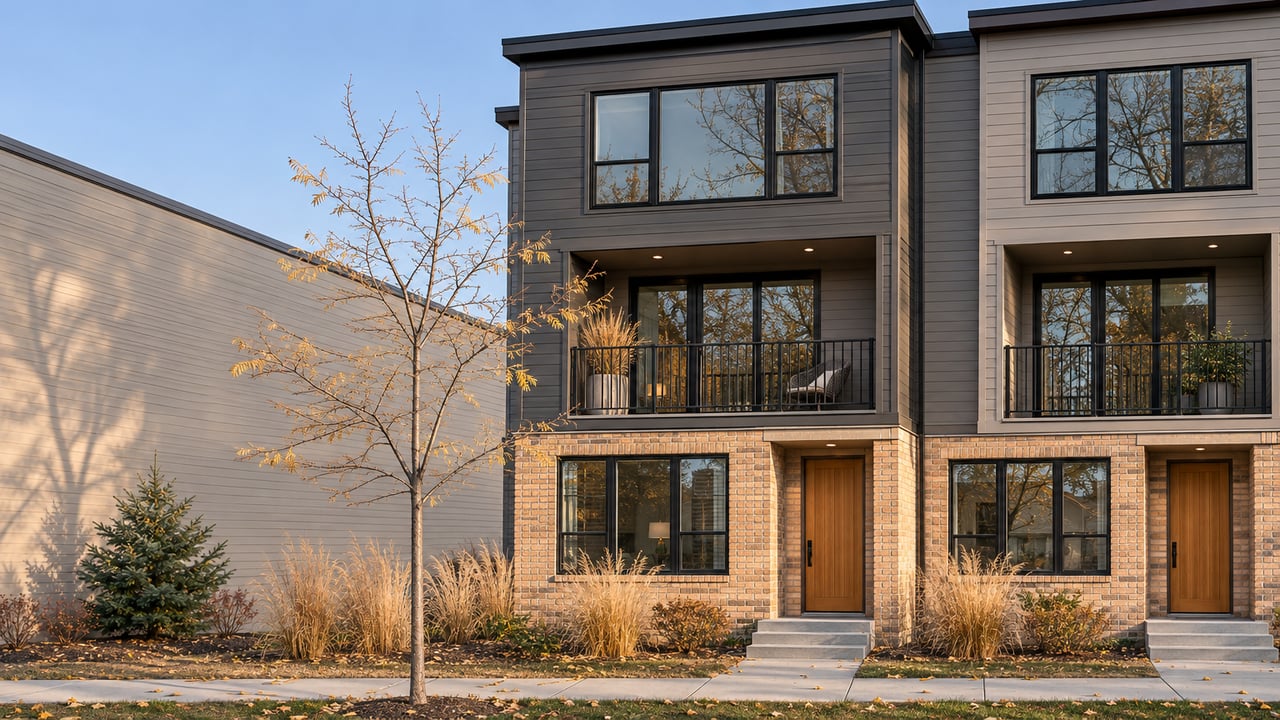
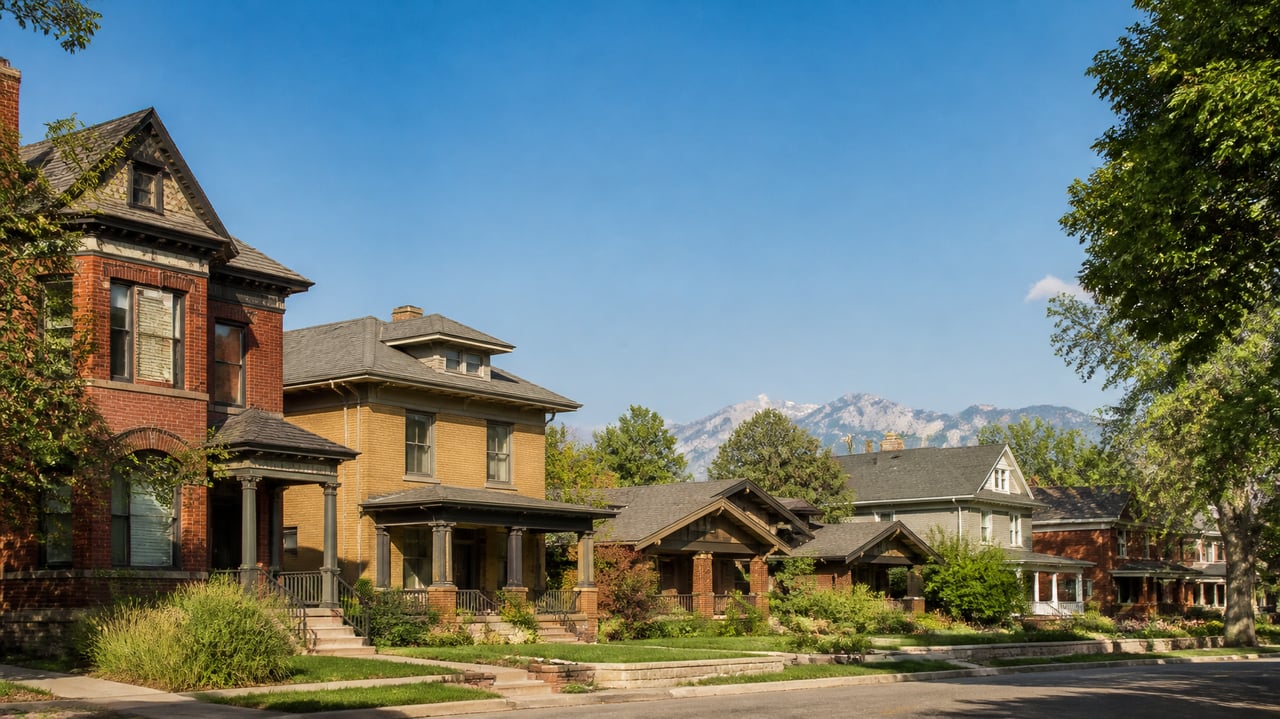
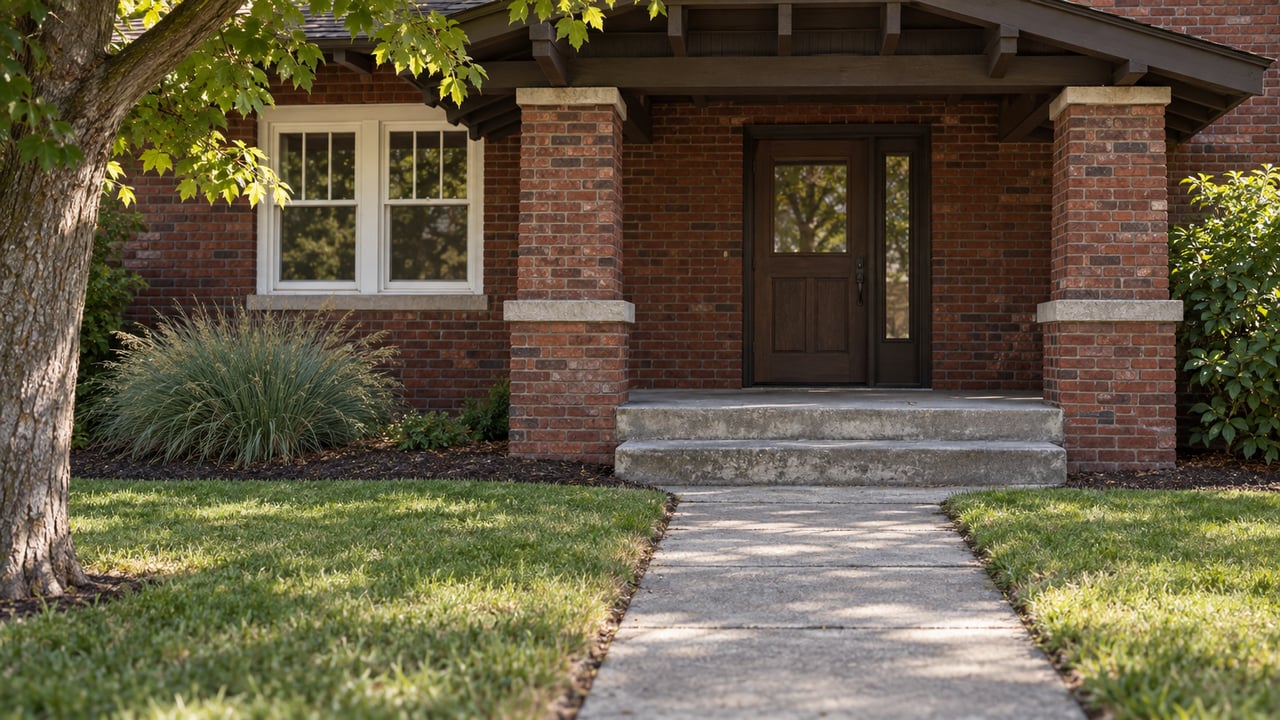
The neighborhood runs from Mississippi Avenue on the north to Evans Avenue on the south, Broadway on the west to Downing Street on the east, named for James Platt, a local business figure from the late 1800s. Inside that small footprint sit two very different products: 1920s and 1930s Craftsman bungalows and Denver Squares on quiet side streets, and newer duplexes and townhomes concentrated along the Broadway corridor near the light rail stop. Whichever product happens to sell in a given month swings the reported median, and that swing is the story worth understanding before you start touring.
The Metro Split That Plays Out Block by Block
The Denver Metro Association of Realtors' August 2026 data, the most recent full month available, breaks the market into detached and attached categories rather than reporting one blended number. The gap between them is the widest lens on what's happening in Platt Park specifically.
| Metric | Detached homes (metro, August 2026) | Attached homes (metro, August 2026) |
|---|---|---|
| Median closed price | $649,500 | $370,000 |
| Year-over-year price change | essentially flat | down about 4.9 percent |
| Median days on market | 24 | 45 |
| Year-over-year inventory change | down about 4.2 percent | up about 9.9 percent |
Detached houses are holding their value and moving in under four weeks. Attached homes, meaning condos, duplexes and townhomes, are taking almost twice as long to sell and losing ground on price. That gap has widened alongside financing costs. The Federal Reserve raised its benchmark rate to a target range of 3.75 to 4 percent in early September 2026, its first increase in more than three years, and Freddie Mac's weekly survey put the 30-year fixed mortgage rate near 6.7 percent that same week, the highest reading since July 2025.
Attached buyers feel that rate increase twice. A mortgage payment stretched by a higher rate now sits on top of HOA dues that have climbed with insurance premiums and hail-related maintenance costs across the region. Detached buyers face the same rate but no HOA layer, and no builder can manufacture more land under an existing bungalow lot, so that segment holds its price even as fewer people can afford to enter it.
What That Split Looks Like on the Ground in Platt Park
Walk the bungalow side of the neighborhood and the detached numbers make sense. Old South Pearl Street carries Sushi Den, Izakaya Den, OTOTO, Park Burger and Tokyo Premium Bakery, along with a Sunday farmers market that runs May through November. The homes around that corridor are mostly original 1920s and 1930s construction, some restored, some not, sitting on lots that will never multiply. That scarcity is the entire reason the detached segment resists the kind of softening the attached side is experiencing.
Walk toward Broadway and the picture changes. Antique Row occupies former industrial buildings turned into shops and restaurants, and the blocks near it carry a newer built environment: two and three bedroom townhomes with attached two-car garages built for rent near the I-25 and Broadway light rail stop, a roughly 30-unit townhome community built for sale a few blocks south, and duplexes going up mid-block with the kind of vertical wood siding and sculptural facades that mark a 2024 or 2025 build year next to a 1928 original. A 40-acre transit-oriented redevelopment planned for the south end of the Broadway corridor will keep adding to that attached inventory for years, which matters because the metro's attached segment already carries some of its deepest oversupply in exactly the price bands this corridor is building into.
The Arithmetic Behind the Swinging Median
This is where the conflicting numbers stop looking like noise. A neighborhood this size does not sell enough homes in any given month to smooth out which product type happens to close. If three bungalows sell in June, the reported median for that month leans toward the detached figures: flat to rising, fast to close. If a cluster of new duplexes or a wave of townhome closings lands in July, the same neighborhood's median drops and its average days on market stretches, even though not one individual home actually lost value. The mix flipped, not the market.
That's the mechanism behind seeing Platt Park quoted at $802,000 and falling one week and $965,000 and rising the next. Layered price tiers make the point clearer than any single median can: entry-level bungalows and duplexes are trading roughly in the $600,000s to $700,000s, renovated historic homes in the $800,000s to $1.2 million range, new construction from $1.2 million to $1.8 million, and premium corner lots or double-lot builds above $2 million. Those are four overlapping curves compressed into one line on a chart, and the line only tells you which curve happened to dominate last month's closings.
What This Means for Your Budget and Your Timeline
If you're shopping the bungalow side of Platt Park, expect the same conditions the metro's detached segment is showing: a median 24 days on market and prices that have held essentially flat over the past year. Well-priced, move-in-ready inventory in that price band does not sit long, so plan your financing and your decision timeline before you start touring rather than during it.
If you're shopping newer construction or an existing townhome near Broadway, expect more room to negotiate. The attached segment's 45-day median and its year-over-year price softening give buyers leverage that didn't exist in this same neighborhood a few years ago. Ask specifically about HOA dues and what they cover, since rising insurance and maintenance costs are the biggest driver of the gap between attached and detached performance right now, not the underlying desirability of the location.
One factor cuts across both product types rather than tracking with them. Blocks closest to I-25, generally the north end of the neighborhood, carry highway noise that fades as you move east toward Downing Street. That's a block-by-block detail worth checking in person regardless of whether you're looking at a 1928 bungalow or a 2025 duplex.
It's also worth raising with your lender early if you're financing new construction here. An appraiser comparing a new-build duplex against a bungalow three doors down may need to pull comps from outside the immediate blocks to find a true match, which can affect how smoothly an appraisal lands relative to your contract price.
A Couple of Questions Worth Asking Before You Tour
Will the attached side keep softening in Platt Park specifically? Nothing in the metro data points to a near-term reversal. The attached segment carried some of its deepest oversupply in the $750,000 to $999,999 band as of August 2026, and continued build-out along the Broadway corridor is likely to keep adding to that supply here rather than absorbing it.
Does the highway noise affect one product type more than the other? Newer construction is concentrated closer to Broadway and I-25 than the older bungalow stock further east, so it's worth walking the specific block at different times of day before you write an offer, whichever product you're considering.
Platt Park rewards the buyer who knows which of its two markets they're actually shopping before they fall for a listing photo. If you want a read on what a specific block, or a specific product type, is doing in real numbers rather than an aggregated median, Buildings & Residences of Denver can walk through it with you.