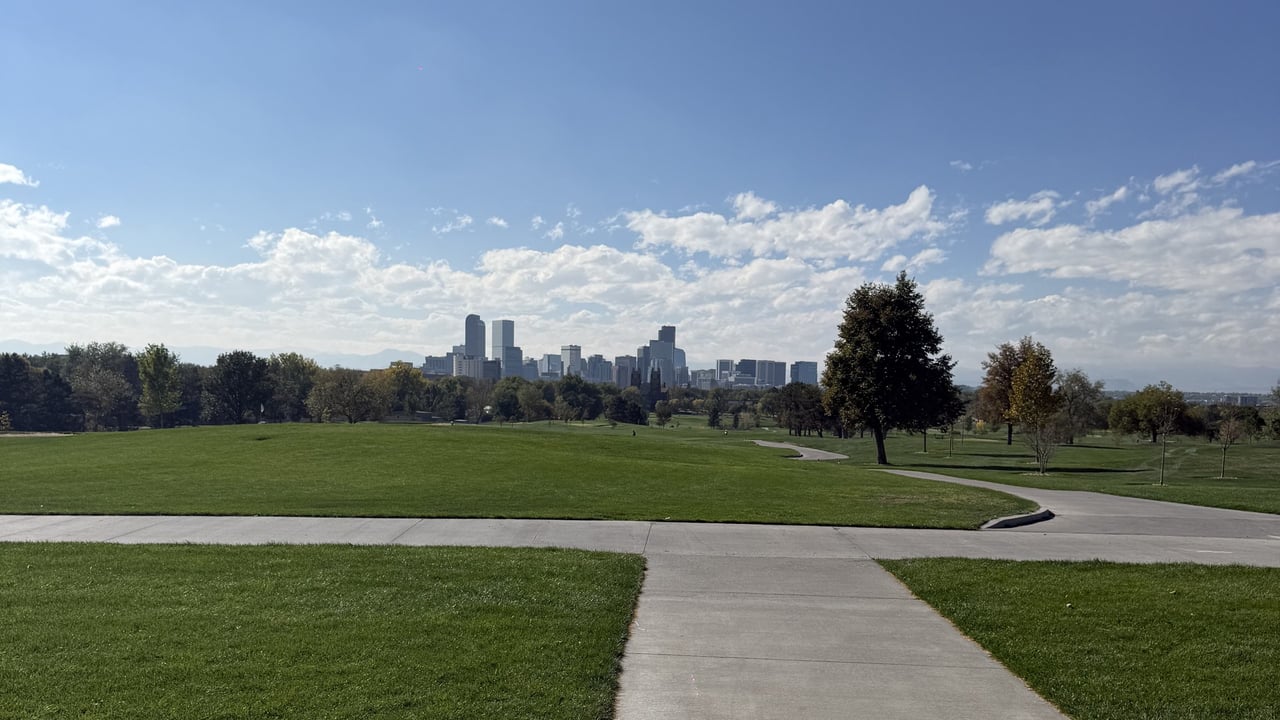
Why urban Denver is worth a closer look
Moving to Denver, whether from another state or from somewhere else in Colorado, means choosing more than a house. You're choosing a neighborhood with its own story, its own streets and its own favorite park. At Buildings & Residences of Denver, we've been buying, restoring and caring for homes in these neighborhoods since 2004, and we still love exploring them.
"Denver has matured in so many ways over the past 20 years... there really is [a] heartbeat in this city that is unlike other places."
— Brian Richardson, Managing Broker
Urban Denver has many more neighborhoods than we can fit in one post. Below is a look at 15 of them, all close to downtown: where they came from, what makes each one different, and what that means if you're buying here for the first time.
Where Denver began
Denver started along the South Platte River, and some of its oldest neighborhoods still carry that history.
LoDo & Union Station. Gen. William Larimer staked his claim here in 1858, after gold was found in the South Platte. Today, brick warehouses from the 1880s to 1910s hold lofts and patios, and Union Station, with its 1914 Beaux-Arts center section, is the city's transit hub, with the A Line train running straight to the airport. The Lower Downtown Historic District, created in 1988, protects the look of these blocks.
Baker. In 1857, prospectors worked placer gold along the Platte here, one of the earliest settlements in what's now Denver. Baker's 1880s–1900s brick Victorian cottages sit just off South Broadway, home to the Art Deco Mayan Theatre (1930), music venues and vintage shops.
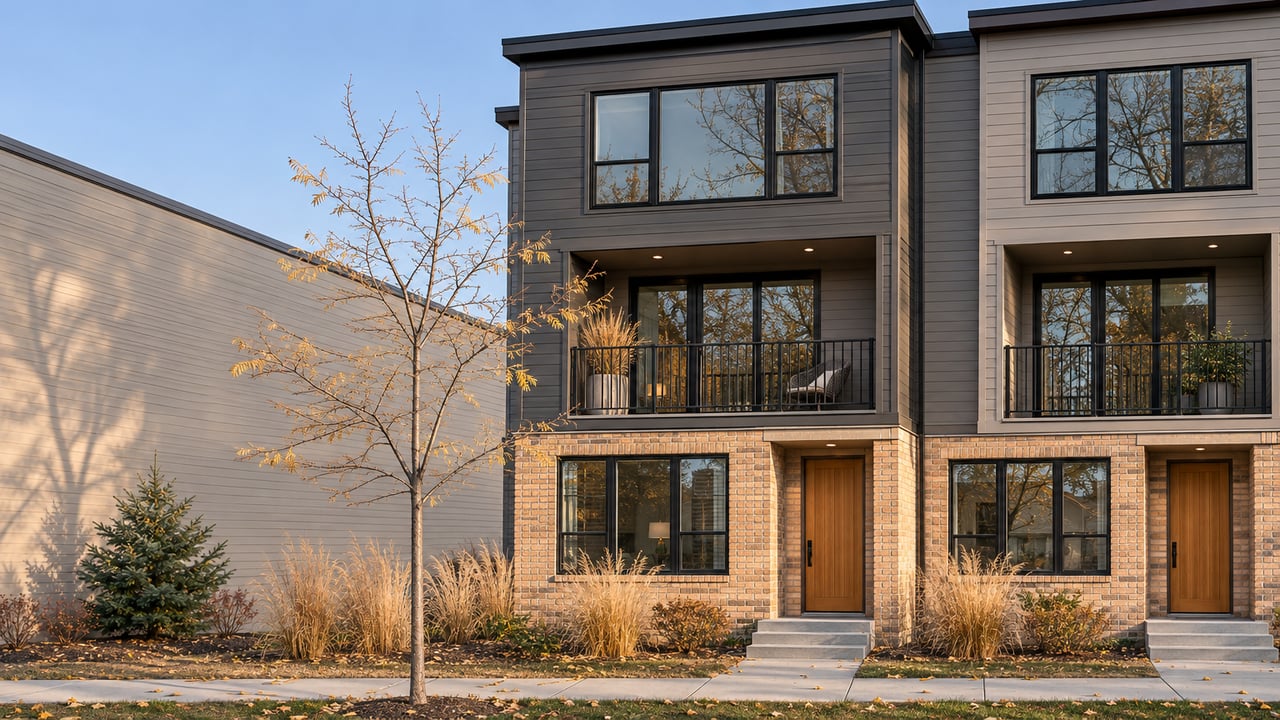
LoHi & Highland. Across the river, the Town of Highlands was incorporated in 1875 and joined Denver in 1896. Hillside streets mix brick Victorians and Denver Squares with modern townhomes, and the Highland Bridge puts Union Station a short walk away.
Sunnyside. Just north, Sunnyside began in 1872 as just three square blocks. Its brick bungalows, front porches and alley garages are protected by conservation overlays the city adopted in 2023, and the 44th Avenue business strip and The Wolf's Tailor, a Michelin two-star restaurant, give it a main-street feel.
Victorian blocks, mansions and a jazz legacy
Northeast and east of downtown, the city's boom years left a rich mix of homes and landmarks.
Five Points. From the 1920s to the 1950s, Welton Street had more than 50 bars and clubs and hosted nationally known musicians, earning the nickname "Harlem of the West." Its Victorian rowhomes and the Curtis Park historic district, among Denver's oldest residential areas, sit beside landmarks like the Blair-Caldwell African American Research Library and the Juneteenth Music Festival each June.
RiNo (River North Art District). Artists formed the district in 2005 in a former rail and industrial area. Today, murals cover almost every wall along Larimer St and Brighton Blvd, warehouses have become lofts, and the A Line's 38th & Blake station is one stop from Union Station.
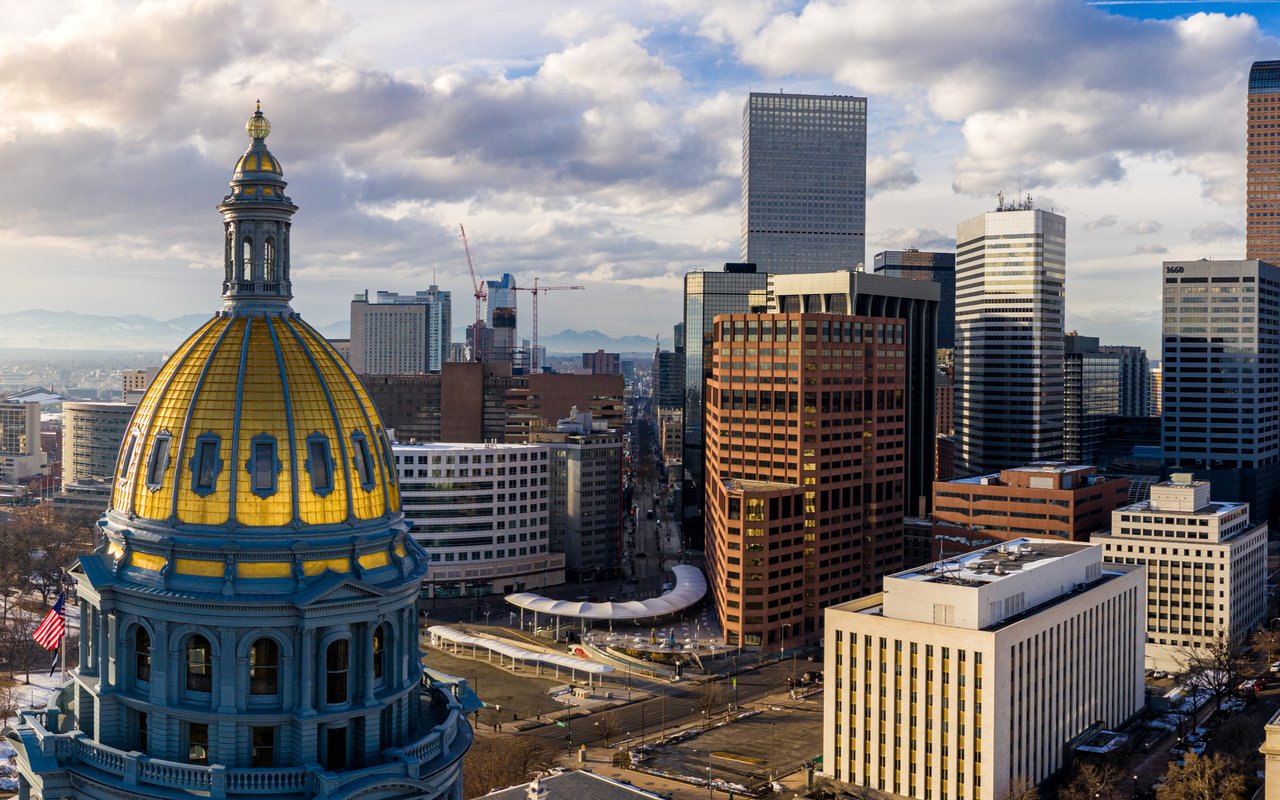
Capitol Hill. After the Silver Crash of 1893, building here shifted from mansions to apartments, which is why grand homes and early walk-ups share the same blocks. The gold-domed State Capitol, the Molly Brown House Museum and History Colorado Center are all close by, and condos here are among the more affordable ways into central Denver.
Uptown. Just north of Colfax, tree-lined blocks of Victorian rowhouses surround 17th Avenue's "Restaurant Row." Colfax itself got its name in 1868, and since fall 2026 it has center-running bus-only lanes between Broadway and Colorado Blvd.
Life around the parks
"The city is rich in history, great architecture, and beautiful green spaces, all spread out for everyone to enjoy."
— Brian Richardson, Managing Broker
Many of Denver's most loved neighborhoods grew up around its big parks.
City Park & City Park West. Denver's 330-acre flagship park holds Ferril Lake, the Denver Zoo and the Denver Museum of Nature & Science, plus free City Park Jazz concerts in summer and the City Park Golf Course just to the north. The Shakespeare Elm was planted near 17th & Colorado Blvd in 1916, for the 300th anniversary of Shakespeare's death.
Cheesman Park. This 80-acre formal park, with its 1908 marble pavilion looking west to the mountains, was once a cemetery, first called Mt. Prospect and later Denver City Cemetery. High-rise condos with park and mountain views ring it, next to early-1900s mansions.
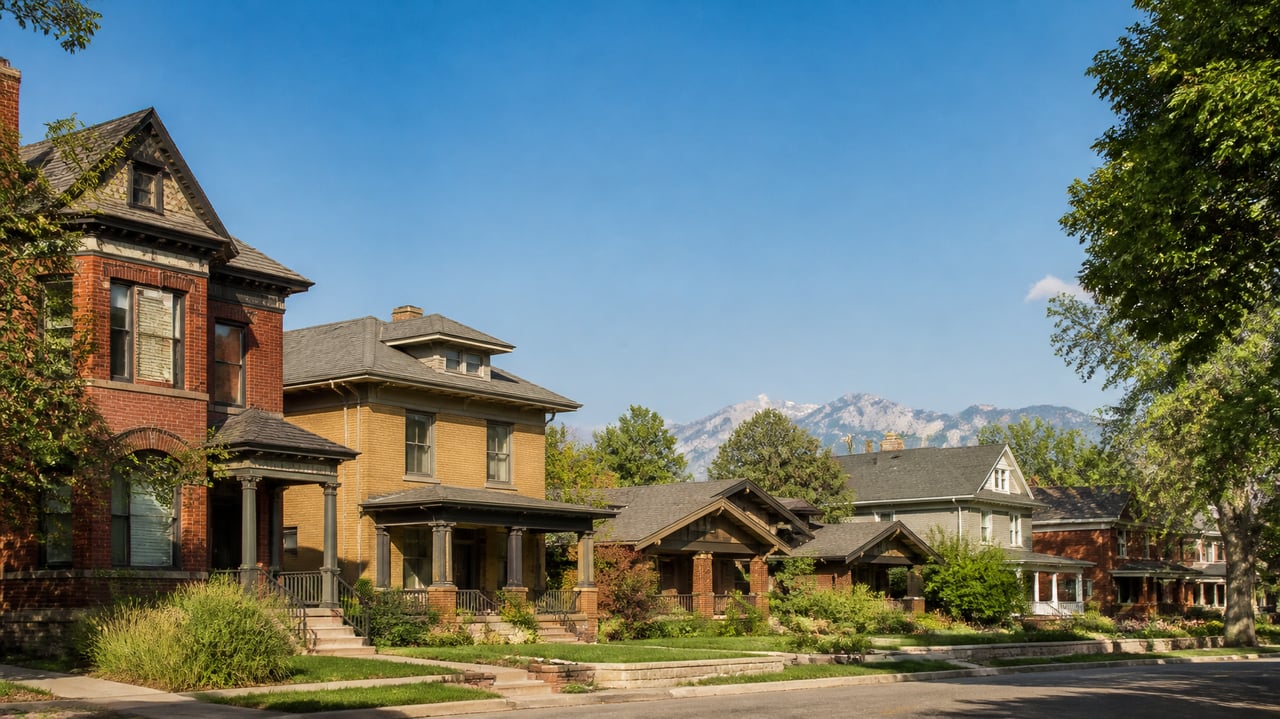
Congress Park. First called Cemetery Hill, it took its name after Congress approved turning the old cemetery land into a park in 1890. Today, it's quiet brick bungalows, Denver Squares and Tudors, with the Denver Botanic Gardens next door.
Washington Park. Brick homes from 1900–1940 surround a roughly 160-acre park with two lakes, a 1913 boathouse and a replica of Martha Washington's garden. Its lakes are fed by the City Ditch, dug in the 1860s and still flowing today.
Clayton. North of City Park, modest brick homes surround the historic sandstone Clayton campus, named for George W. Clayton, whose estate founded a school there. York Street Yards, the former Denver Medical Depot, now holds a brewery, a coffee shop and other businesses, with a gate to Schafer Park.
Main streets worth walking
Some neighborhoods are defined by a street you'll find yourself on every weekend.
Platt Park. Once the separate Town of South Denver, annexed in 1894, Platt Park centers on Old South Pearl Street. Its shops and restaurants sit partly in converted Victorians, and the South Pearl Street Farmers Market runs Sundays from May to November. The 1913 Decker Branch Library is a Carnegie library, and light rail stops at Louisiana–Pearl on the north edge.
Cherry Creek. About 16 walkable blocks of boutiques, galleries and restaurants make up Cherry Creek North, next to the Cherry Creek Shopping Center. The paved Cherry Creek Trail leads to downtown, and the Cherry Creek Arts Festival fills the streets each July 4th weekend. The shopping center itself sits on a former sand and gravel pit that the city once used as a dump.
You'll find the same main-street energy on South Broadway in Baker, 17th Avenue in Uptown and 44th Avenue in Sunnyside.
Choosing your neighborhood: tips for movers and first-time buyers
- Start with how you'll live. Want to skip the car? Look near rail in LoDo, RiNo, Platt Park or Sunnyside. Want a yard and a porch? Look at the bungalows of Congress Park, Washington Park, Clayton or Sunnyside.
- Know your home type. Condos and lofts are common in LoDo, RiNo, Capitol Hill, Uptown and Cheesman Park. Single-family homes are more common in Congress Park, Washington Park, Platt Park, Clayton and Sunnyside.
- Walk it at different times. Visit on a weekday evening and a Saturday morning before you decide.
- Plan for Colorado basics. Test for radon, get a sewer scope on older homes, ask about the roof's hail history, and check historic district rules before you plan changes.
- Compare prices block by block. Values can vary a lot within one neighborhood. Ask us for current MLS numbers for the exact streets and home type you want.
Find your place in Denver
Every one of these neighborhoods has a story, and the right one depends on how you want to live. For maps, home types and current prices for all 15, download our free Urban Denver Neighborhood Guide.
When you're ready, we'd love to help. Contact us for a custom home search, a current evaluation of the home you're selling, or a no-pressure call about your move.
Buildings & Residences of Denver
Brian Richardson, Managing Broker · 303.618.8470 · [email protected]
https://www.google.com/url?q=http://buildings-residences.com&source=gmail&ust=1792718156889000&sa=E
Buildings & Residences of Denver is committed to the Fair Housing Act and equal housing opportunity. This article describes places, homes and amenities, not the people who live in any neighborhood. For school information, visit Denver Public Schools (https://www.google.com/url?q=http://dpsk12.org&source=gmail&ust=1792718156889000&sa=E) and the Colorado Department of Education (https://www.google.com/url?q=http://cde.state.co.us&source=gmail&ust=1792718156889000&sa=E). Information is deemed reliable but not guaranteed. Equal Housing Opportunity.
Information in this article was compiled from multiple public and industry sources. Contact us for detailed source information.